What Are the Best Times to Play So It Does Not Mess Up Your Routine?
The best time to play is not a magic hour when gambling suddenly becomes safer or more profitable. It is a time that fits around your sleep, work, relationships and budget—and ends when you planned for it to end. If playing tends to push bedtime later, distract you from responsibilities or leave you chasing losses, the best time may be not to play at all.
That distinction matters especially in Norway. Gambling is tightly regulated, land-based options are limited compared with many countries, and online services make it possible to play at almost any hour. Poker can be a cultural entry point: its mix of cards, decisions and competition may feel different from a purely chance-based game. But it is still gambling when money is at stake, and a poker session can take longer than expected. Online casino games add convenience and variety, but convenience is not the same as control.
This guide focuses on practical habits, not promises about winning. It explains how to choose a suitable playing window, set a firm time limit gambling plan, and use self control gambling tools before a session begins. The aim is to keep play in its proper place—or help you decide when taking a break is the better choice.
Start With Your Routine, Not the Game
People often ask whether mornings, evenings or weekends are the best times to play. A more useful question is: when are you least likely to sacrifice something important? There is no universal answer. Someone with an early shift may find an evening session disruptive, while someone who works late may be tempted to play when they should be winding down.
Look at your week before choosing a time. Mark out work, study, caregiving, exercise, meals and sleep. Then consider whether there is a genuinely free period left. If a session would compete with a commitment, shorten it or skip it rather than trying to squeeze it in.
- Protect sleep: Do not plan to play in bed or use a session as a reason to stay up “just one more round.”
- Protect responsibilities: Avoid playing before a shift, an exam, childcare duties or a task that needs your full attention.
- Protect your mood: Avoid starting when you are angry, lonely, stressed, intoxicated or trying to escape a problem.
- Protect your free time: Leave room for people and activities that matter to you, whether or not you play.
A practical rule is to choose a window that ends well before bedtime, not one that runs right up to it. The buffer gives you time to step away, eat, get ready for the next day and let the excitement of the session settle.
Why Timing Matters More Online
In Norway, the regulated gambling landscape is stricter than in many places, and land-based gambling choices are limited. Norsk Tipping is a familiar, state-controlled provider of several forms of gambling, operating within Norway’s regulatory framework. That does not mean every gambling activity is risk-free, or that a regulated option will suit every person. It does mean players should pay attention to who operates a service, what rules apply and what protections are available.
Online casino access changes the practical side of gambling. A phone, tablet or computer can make games available around the clock, without travel or a closing time to remind you to leave. That convenience can be useful for people who prefer to manage everything digitally, but it also removes natural pauses. A physical trip takes effort; opening an app can take seconds.
Mobile casino gaming is particularly easy to fit into small gaps: a commute, a lunch break or a few minutes on the sofa. Those same gaps can turn into longer sessions if the app makes it simple to keep playing. Notifications, saved payment details and prominent “play again” buttons can reduce friction in ways that are not always helpful. On mobile, I pay attention to how clearly a site displays account limits and how many steps it takes to find them. On a larger desktop screen, it may be easier to compare rules or read account settings; on mobile, it is easier to access a game instantly. Neither device makes the decisions for you.
Choose a Playing Window You Can Actually Keep
A good playing window has a start time, an end time and a reason for being there. “After dinner” is vague. “From 7:30 to 8:00, after the dishes are done, and not on nights before an early start” is easier to follow.
Use a timer that is separate from the game. Set an alarm before you begin, and decide in advance what you will do when it rings: close the app, log out or put the device in another room. If you are playing poker, allow for the fact that a hand, tournament or cash-game session may not end neatly at the planned minute. Choose formats and tables that suit your available time instead of assuming you can always leave instantly.
One personal rule I have kept through years of home games and online testing is to stop after a set time even when I am winning. It is tempting to treat a good run as a reason to extend a session. But the plan should not change just because the result feels exciting. A time limit is useful precisely when it holds in both winning and losing sessions.
Routine situation More cautious approach Why it helps Early work or school the next day Skip the session or set an early end time Protects sleep and attention Short break during the day Do not start a game that could run beyond the break Avoids rushing back to responsibilities Feeling stressed or upset Take a walk or contact someone instead Reduces the chance of playing to change your mood Weekend with no early commitments Set a clear start, stop and spending limit first Free time still needs boundariesDifferent Games Call for Different Boundaries
“Casino games” covers a wide range of experiences, and the pace and risk can differ. Some games resolve quickly, which can encourage frequent decisions and repeated stakes. Others, such as a long poker tournament, may involve extended concentration and a schedule that is difficult to pause. A faster game is not automatically more dangerous for every person, and a slower game is not automatically safe. What matters is how the format affects your time, spending and behaviour.
Poker: decisions do not remove the gambling risk
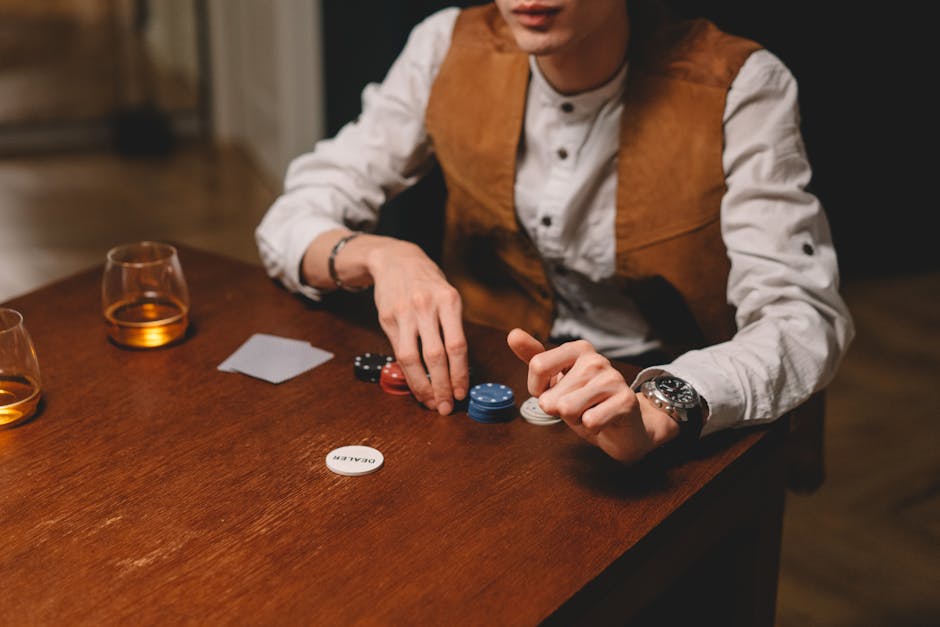
Poker is often a first contact with gambling because it has recognizable rules, social play and decisions involving probability and strategy. That can make it feel more like a skill contest than other games. Skill matters in poker, but results also involve uncertainty, and money on the table can change how people think. A winning stretch is not proof that future results are guaranteed.
People interested in learning the game may look at educational material from PokerCoaching, which focuses on poker training. Treat coaching as a way to study decisions, not as a promise of income or a reason to play longer. For routine management, cash games may be easier to leave than a scheduled tournament, but either format needs a pre-set end point. If the event is likely to continue past your limit, choose another activity.
Casino games: pace and repetition matter
Online casino platforms offer varied games with different rules, rhythms and risk profiles. Some involve quick rounds; others require more attention to instructions or choices. Do not assume that a game is skill-based simply because it includes a decision or a complicated interface. Read the rules, understand the stakes and remember that entertainment value does not change the underlying risk.

Before trying a new game, decide what you are willing to spend and how long you are willing to spend on it. Avoid switching games to recover money or searching for a game that feels “due” for a win. Each new title can make a session feel fresh, but variety can also keep you playing longer than planned.
Build a Simple Time-Limit Plan
Time limits work best when they are concrete and paired with spending limits. Decide both while you are calm—not after a win, loss or near miss. You can write the plan down or set limits through account tools where available. Check the current terms and protections of any service you use; features vary, and not every platform offers the same controls.
- Pick the day and time: Choose a slot that does not interfere with sleep or an obligation.
- Set a maximum duration: For example, 30 or 45 minutes. Make it short enough to fit comfortably into your day.
- Set a spending cap: Use only money you can afford to lose, never rent, bills, borrowed money or savings meant for essentials.
- Set a stop signal: Use an alarm and decide exactly what you will close when it rings.
- Plan the next activity: Have something ready afterward, such as dinner, a shower, a walk or a call.
- Review the result: Ask whether play stayed within the plan. If not, take a break before considering another session.
This is a practical form of self control gambling: make decisions ahead of time and reduce the number of decisions you have to make while emotions are running high. It is not about proving willpower. If you repeatedly override your own limits, add stronger barriers or stop playing rather than expecting one more promise to fix the pattern.
Make Devices Work for You
Phones and tablets are handy, but they can blur the line between a planned session and idle scrolling. Turn off gambling notifications, remove shortcuts from your home screen and avoid saving payment details if the extra step helps you pause. You can also use device timers or app restrictions. A tablet may offer a clearer view of rules and account settings, while a phone makes it particularly easy to start anywhere; choose the device that supports the boundary you want.
Take a moment to inspect the payment and account flow before you play. If the language toggle is hard to find, the limits are buried or the deposit process encourages repeated top-ups, treat that friction—or lack of it—as useful information. Do not deposit more simply because the interface makes it quick. Set a budget before opening the cashier, and stop when it is used.
When checking a Norway-facing service, look beyond advertising. Verify the operator, the applicable rules and the availability of responsible-gambling tools. A brand name such as Kongebonus may appear in discussions of offers or casino comparisons, but an offer is not a reason to gamble, and bonus terms can include conditions that are easy to overlook. Read the details rather than treating a headline as a benefit. Never assume that a promotion changes the odds or makes a session safer.
Signs Your Schedule Needs a Reset
Even a well-planned time slot can become unhealthy if it starts expanding. Pay attention to what changes over several weeks, not just how one session felt. Consider taking a break if you regularly stay up later than planned, hide how long you play, miss commitments, spend more than intended or feel restless when you are not gambling.
Also notice whether gambling has become your main response to boredom or stress. A routine should have more than one way to provide relaxation and excitement. Keep non-gambling activities in your calendar, and talk with someone you trust if play is beginning to crowd out your life. If you cannot stick to limits or gambling is causing financial or emotional harm, seek help through appropriate Norwegian support services and consider using account exclusion or blocking tools where available.
A Better Rule Than “Play at the Right Time”
There is no safest hour that makes gambling harmless. A better rule is to play only when you are rested, clear-headed and free to stop; choose a modest time window; protect your budget; and end on schedule regardless of the result. If those conditions are not in place, postpone or skip the session.
Online access can make poker and casino games feel like ordinary phone activities, but they still deserve deliberate boundaries. Keep your phone or tablet from turning every spare moment into a session. Put sleep and responsibilities first, use limits https://cardplayerlifestyle.com/casino-games/poker-tables-casino-platforms-norwegian-players/ that you set in advance, and remember: the best time to play is a time that leaves the rest of your routine intact.